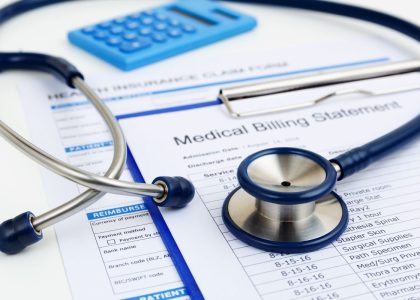


Accurate medical documentation plays a vital role in the healthcare system, impacting both patient care and the financial health of medical practices. From clinical notes and diagnostic reports to billing records, well-documented medical information ensures continuity of care, compliance, and efficient revenue management.
One of the most important benefits of accurate medical documentation is improved patient care. Clear and detailed records allow healthcare providers to understand a patient’s medical history, current condition, and treatment plan. When documentation is precise, physicians can make informed clinical decisions, reduce the risk of medical errors, and provide consistent care across multiple visits or providers. Accurate records also support better communication among healthcare teams, ensuring that everyone involved in patient care is aligned.
Medical documentation is also essential for patient safety. Errors, omissions, or unclear notes can lead to misdiagnosis, incorrect treatment, or medication errors. By maintaining accurate and timely documentation, healthcare providers minimise these risks and improve overall patient outcomes. This level of precision is especially important in complex cases, chronic disease management, and emergency care settings.
Beyond clinical benefits, accurate documentation directly impacts revenue and financial stability. Medical billing and coding rely heavily on properly documented services and procedures. Incomplete or inaccurate records often result in claim denials, delayed reimbursements, or underpayments from insurance providers. Accurate documentation ensures that services are coded correctly, supporting faster claims processing and maximising reimbursements.
Proper documentation also helps healthcare organisations stay compliant with regulatory and insurance requirements. Audits, legal reviews, and quality assessments depend on reliable medical records. Accurate documentation reduces the risk of penalties, disputes, and compliance issues, protecting the reputation and financial health of medical practices.
In addition, well-maintained medical records improve operational efficiency. Clinicians spend less time correcting errors or clarifying notes, allowing them to focus more on patient care. Streamlined documentation workflows also reduce administrative burdens and improve overall productivity within healthcare facilities.
In today’s data-driven healthcare environment, accurate medical documentation supports performance analysis, reporting, and quality improvement initiatives. Reliable data enables healthcare providers to identify trends, improve treatment protocols, and enhance patient satisfaction.
In conclusion, accurate medical documentation is more than just record-keeping—it is a foundation for quality patient care and sustainable revenue. By prioritising precision, consistency, and compliance in documentation practices, healthcare providers can improve patient outcomes, reduce financial risks, and ensure long-term success in an increasingly complex healthcare landscape.