

Accurate medical description plays a vital role in modern healthcare by ensuring clear, precise, and consistent documentation of patient information. Medical descriptions convert clinical observations, diagnoses, procedures, and treatment plans into detailed written records that can be easily understood by healthcare professionals. When done correctly, accurate medical description supports better patient care, improved communication, and reduced medical errors.
One of the primary benefits of accurate medical description is enhanced patient safety. Clear documentation ensures that doctors, nurses, and specialists have access to reliable information about a patient’s medical history, medications, allergies, and ongoing treatment. Even small inaccuracies or omissions in medical descriptions can lead to misdiagnosis, incorrect treatment, or medication errors, putting patient health at serious risk.
Accurate medical description also improves clinical decision-making. Healthcare providers rely on well-documented records to track a patient’s progress, evaluate treatment effectiveness, and plan future care. Precise descriptions of symptoms, test results, and procedures allow clinicians to make informed decisions quickly, especially in emergency or critical care situations where time is crucial.
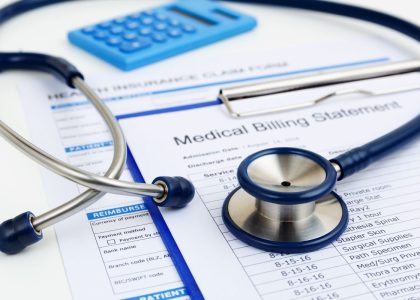
In addition, accurate medical description supports legal and regulatory compliance. Medical records often serve as legal documents in cases involving insurance claims, audits, or medical disputes. Properly written and detailed medical descriptions help healthcare organisations meet compliance standards and protect providers from legal risks by maintaining clear evidence of care delivered.
Another key advantage is improved continuity of care. Patients often receive treatment from multiple healthcare professionals across different departments or facilities. Accurate medical descriptions ensure seamless information sharing, enabling smooth transitions between providers and reducing the risk of repeated tests or conflicting treatments.
Finally, accurate medical description enhances operational efficiency in healthcare facilities. Well-organised documentation saves time for healthcare staff, supports effective use of electronic health records (EHRs), and improves overall workflow. It also facilitates data analysis, medical research, and quality improvement initiatives.
In conclusion, accurate medical description is essential for delivering safe, effective, and high-quality healthcare. By reducing errors, supporting clinical decisions, ensuring compliance, and improving communication, accurate medical description remains a cornerstone of reliable healthcare documentation and better patient outcomes.